Every printed thing a brand needs.
Each product carries its own decisions — stock, method, finish and cut. These pages set out what changes from one to the next, so the choice is made before the file reaches the press.
Print products
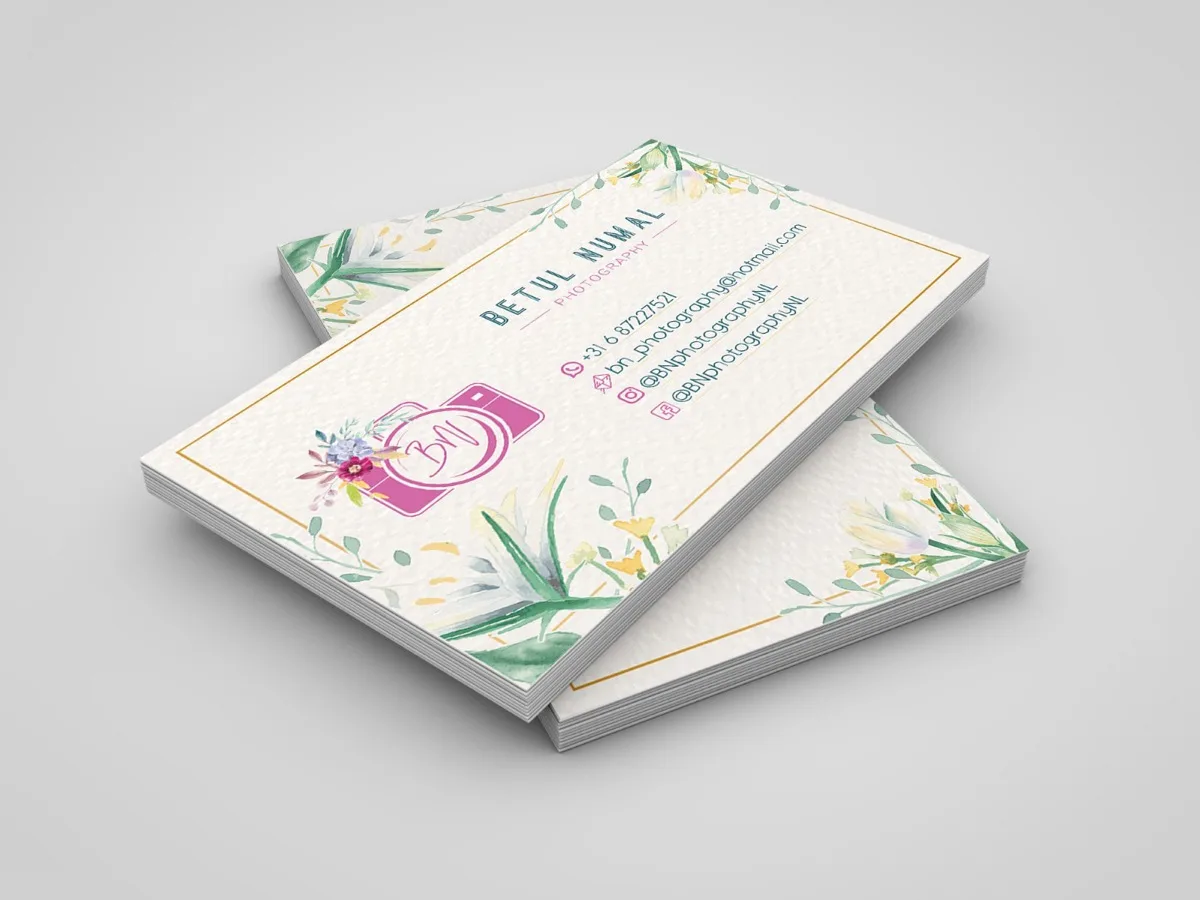
Business cards
A business card is the first physical proof of a brand. Its weight and finish are felt before the design is read.
Explore →Letterheads & stationery
A letterhead passes through the printer again and again after the first run, so it is judged on how it behaves in a printer as much as how it looks.
Explore →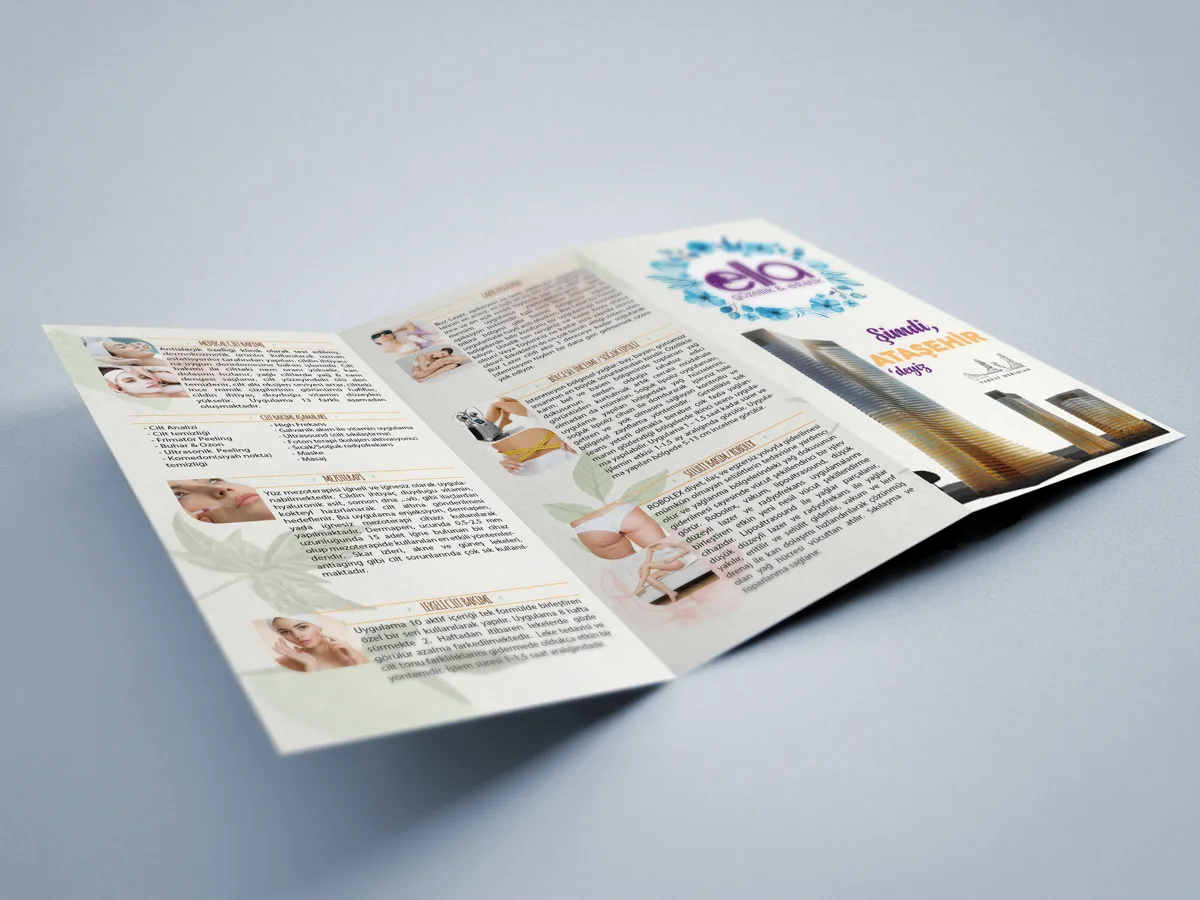
Brochures
A brochure is designed to be scanned rather than read. The folding plan comes before the copy.
Explore →Catalogues
What decides a catalogue is not its page count but how many seconds it takes to reach the product being looked for.
Explore →Posters
One question shapes a poster: from how far away will it be read?
Explore →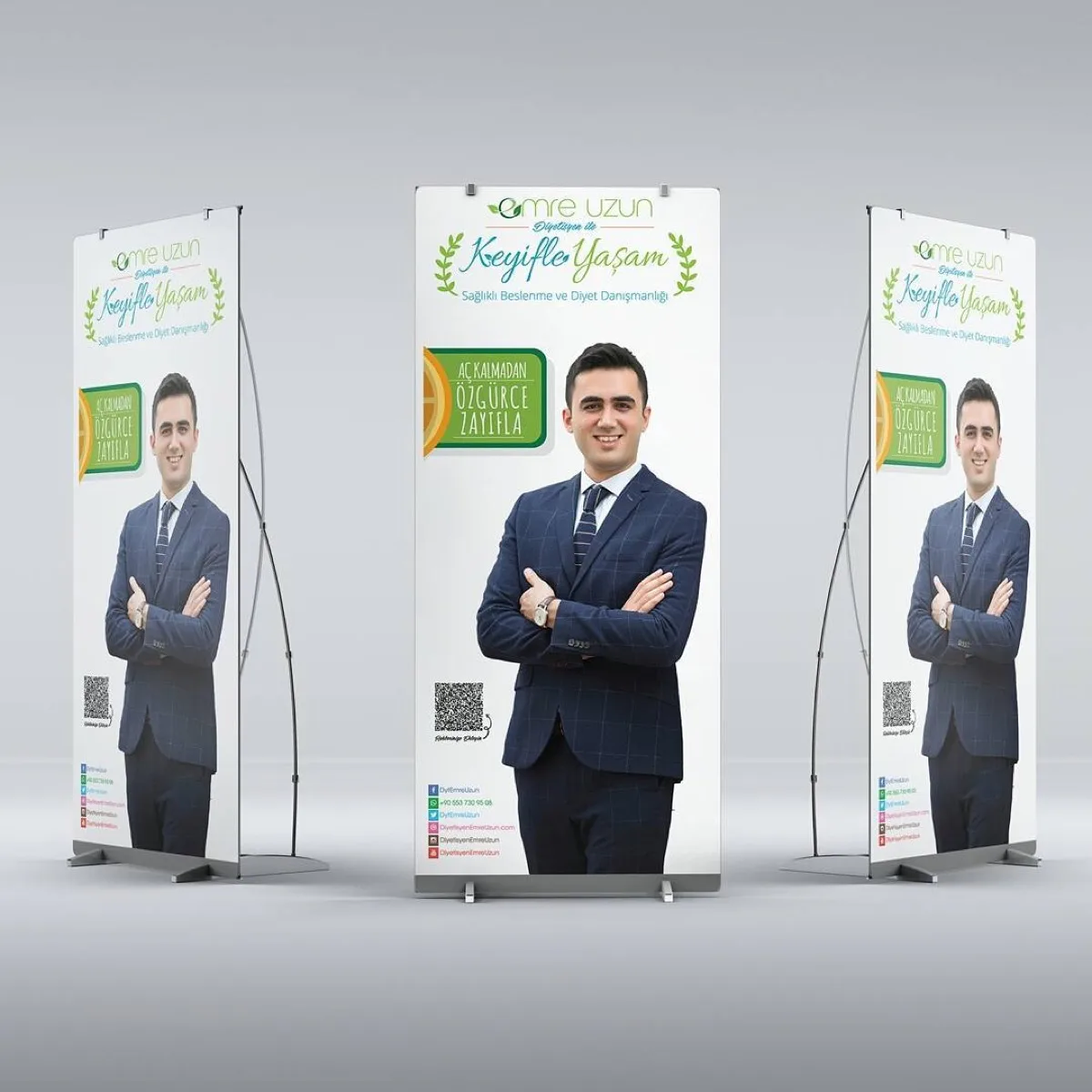
Roll-ups & banners
A roll-up is read standing, and adult eye level generally falls between 150 and 165 centimetres. The design is built into that band.
Explore →Labels & stickers
On a label, adhesive and surface are decided before design; the wrong choice makes the product look faulty on the shelf.
Explore →
Packaging & boxes
In packaging the dieline matters as much as the artwork; when the cutting form is wrong, even the best graphic sits badly on the shelf.
Explore →Textile & merchandise
On fabric the method decides the outcome more than the design: the same artwork ages differently in screen print and digital.
Explore →Signage & vehicles
Signage is the only advertising medium that keeps working when you are closed.
Explore →Invitations & events
On invitations, short runs make paper and method the two levers that set unit cost.
Explore →Menus
The eye moves through a menu in a set order; the dish placed first is not the best seller but the one that earns the most.
Explore →Something not listed here?
These are the products we are asked for most often, not the limit of what we produce. Describe the job and we will tell you how it is best made.
How a print job runs
We start by asking two things: the quantity and where the piece will be seen. Those answers decide material and method more than taste does — a card handed across a desk and a banner read from a passing car are not solved with the same choices.
Files are delivered press-ready, so the printer has no corrections to make. Bleed, crop marks, colour profile and resolution are checked before anything leaves our side, and nothing goes to press before the proof is approved.
Design and pre-press follow the same process for clients across Türkiye and North Cyprus. Physical production and delivery are planned around quantity and your location — we agree at quotation stage where each job is best printed.
Which one do you need
The products look alike; their jobs do not.
Brochure or catalogue?
What separates a catalogue from a brochure is not page count but what the reader is doing. A brochure is glanced through; it has to land a single offer quickly. A catalogue is searched — the reader arrives looking for a particular product, and page count will not rescue them if they cannot find it.
Signage, roll-up or poster?
Outdoor work is chosen by whether the piece stays put or travels. Signage remains in place and is expected to survive years of weather; a roll-up is put up and taken down in a different hall each week, so portability matters more than durability. A poster belongs to one season and needs to stay cheap.
Label or packaging?
Labels and packaging are often used interchangeably, yet they solve different problems. A label identifies a container that already exists; packaging is the container itself, and it has to carry the product, protect it and hold its own on a shelf. Whether a product needs packaging or only a label usually becomes clear from how its point of sale works.
Business card and letterhead
On the identity side the split is simpler: a business card is handed over, a letterhead and envelope are sent. One works at the moment of meeting, the other works when you are not in the room. How the same identity behaves at those two distances is why they are planned together.
Tell us about your print job.
Describe the job and we will tell you how it is best made.